Riyadh Education
A city’s education sector is a cornerstore of its economic prosperity, fostering intellectual curiosity and cultivating the leaders of tomorrow.
With ambitious economic targets and a vision to serve as a global innovation hub, Riyadh has crafted an education sector strategy that underscores its committment towards becoming a premier center for learning and excellence across all education levels.
The strategy is guided by a clear vision to build an education sector that is effective, sustainable, and accessible, aligned with the evolving demands of the labor market. This vision will be realized through public-private investments, targeted capacity-building, and the development of state-of-the-art infrastructure. With the commitment of multiple stakeholders, the strategy seeks to create an education ecosystem that has a significant impact on enhancing Riyadh’s livability and attracting families and talent from the region and beyond.
Substantively, the education sector strategy consists of a range of broad-based reforms and related strategic initiatives, several of which have already achieved success. Major reforms span the Pre-K-12, higher education, and technical and vocational education and training (TVET) levels. All reforms across these levels adopt a two-pronged approach: addressing existing inefficiencies and deficiencies while simultaneously future-proofing the system to ensure it remains proactive to evolving educational and workforce needs.
At the Pre-K-12 level, the strategy prioritizes elevating quality standards through increased private sector participation, with a focus on enhancing accessibility for disadvantaged populations. Significant progress has already been made through the International Schools Attraction Initiative, spearheaded by HRH. Since 2021, 12 international schools have opened in Riyadh, including seven from the UK and five from Singapore and Spain.
In 2024, Ellesmere College and Buckswood School will also begin operations in Riyadh through joint ventures, with the RCRC facilitating key processes such as licensing and identifying investment opportunities.
For higher education, the historic King Saud University is poised for a transformative shift, aiming to secure a place among the top 10 global universities. The strategy also seeks to increase international enrollment to 15% of the total student body, driven by enhanced research capabilities and the presence of international universities and faculty. A key milestone toward this goal is Arizona State University’s plan to establish a new university and affiliated school in Riyadh.
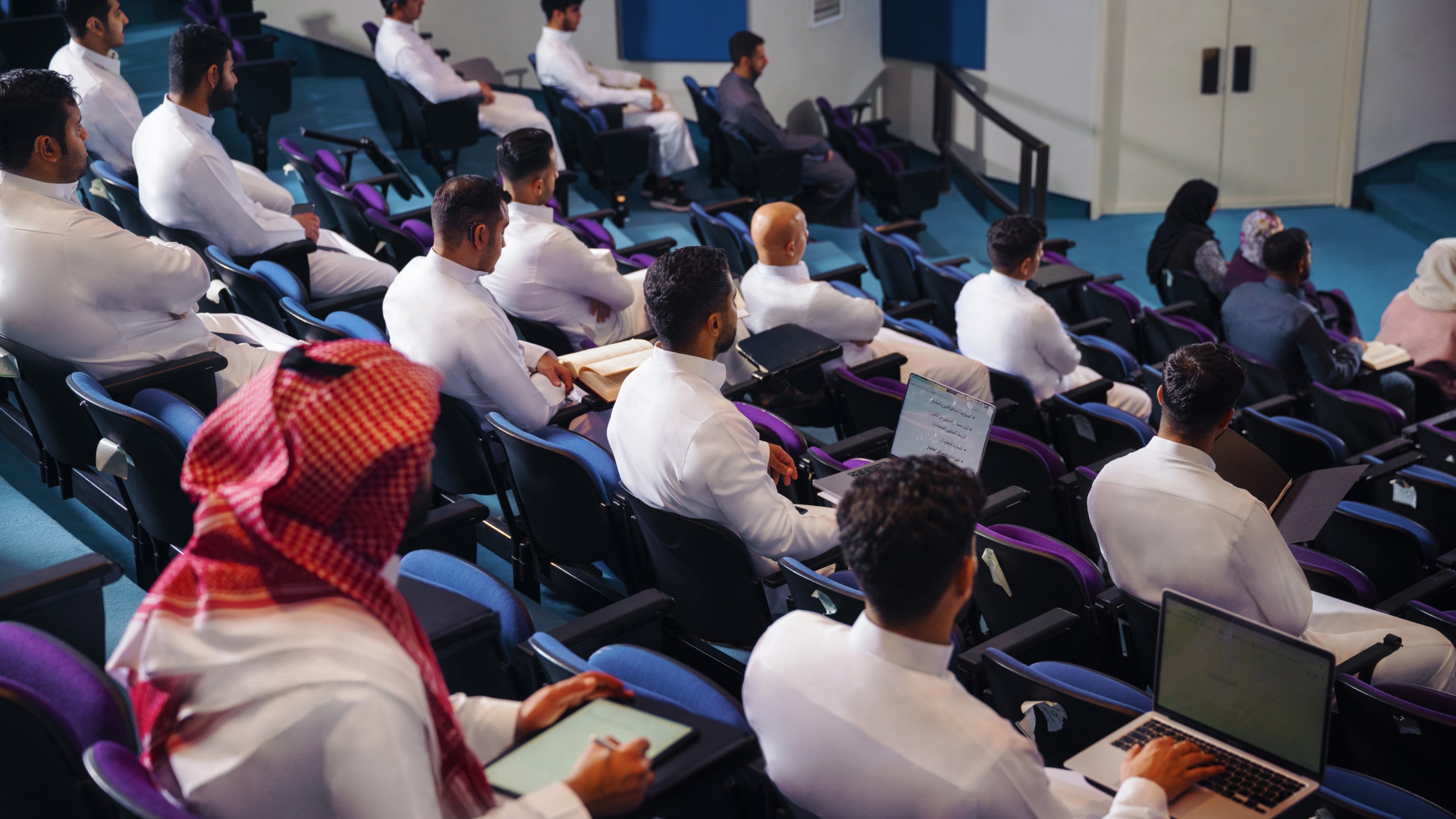
Riyadh’s education strategy exemplifies its commitment to leveraging education as a catalyst for positive change. More than just a path to individual success, education is the foundation for economic resilience, societal progress, and Riyadh's long-term growth as a global hub for talent and innovation.
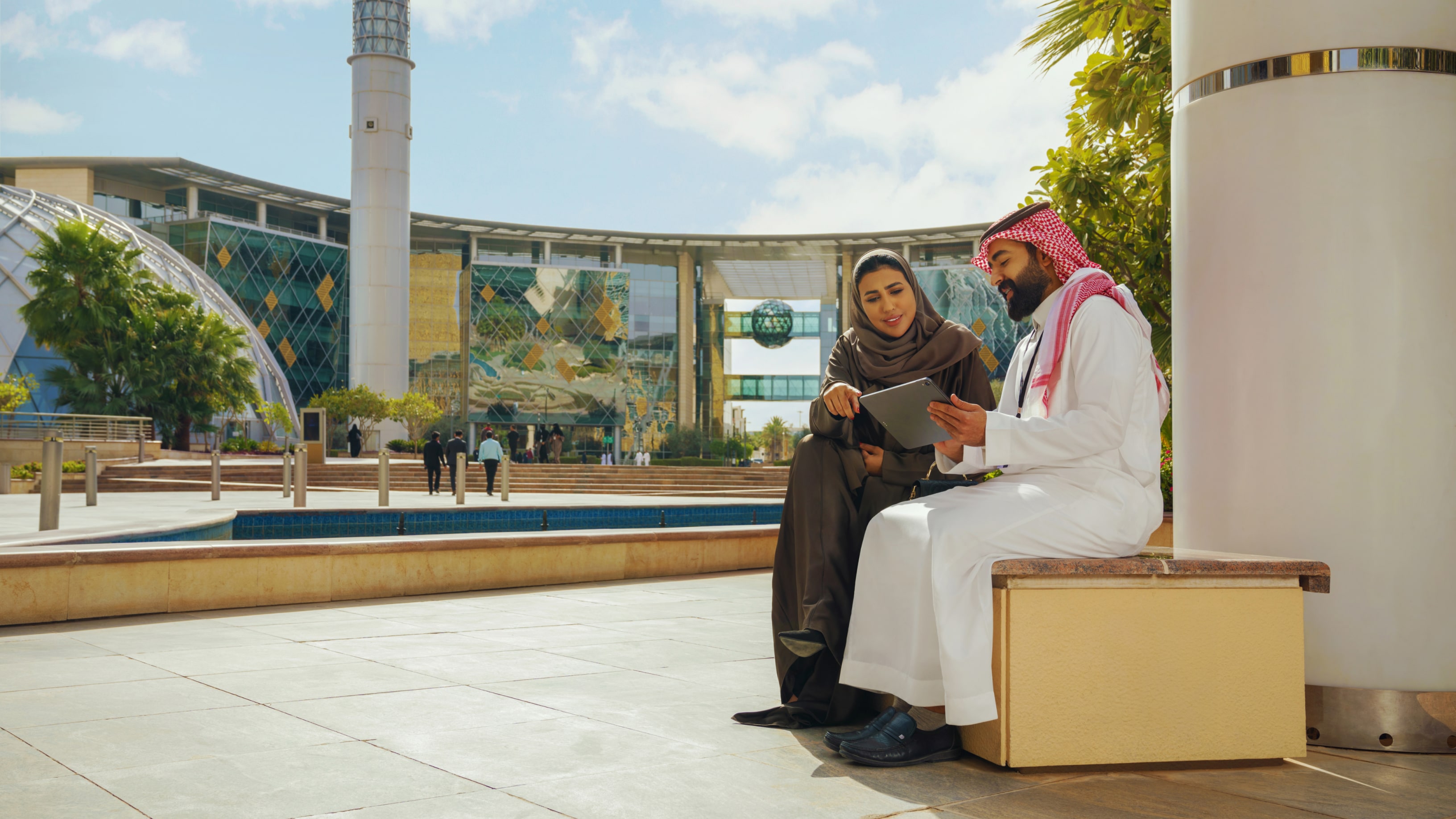
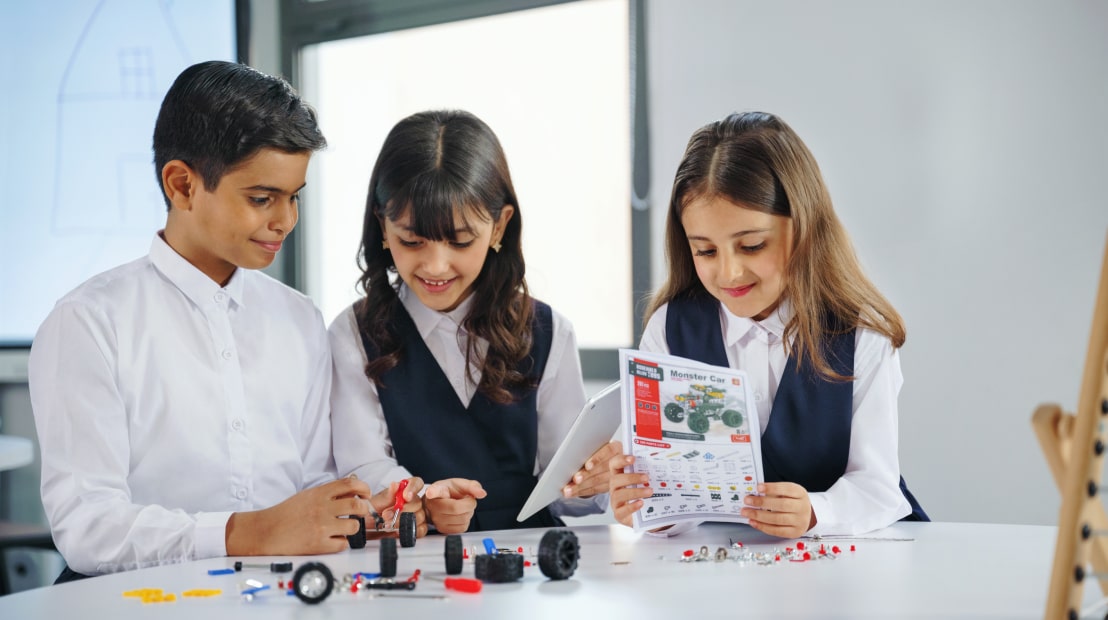
A city’s education sector is a cornerstore of its economic prosperity, fostering intellectual curiosity and cultivating the leaders of tomorrow. With ambitious economic targets and a vision to serve as a global innovation hub, Riyadh has crafted an education sector strategy that underscores its committment towards becoming a premier center for learning and excellence across all education levels.
Riyadh Healthcare
Healthcare is essential for a city to thrive.
A robust healthcare sector not only provides critical services but also fosters a healthier workforce, attracts global talent, and enhances the city's appeal as a desirable place to live, work, and invest. Recent global events have underscored the crucial role of resilient healthcare systems in safeguarding economic stability and enhancing a city's global competitiveness in times of crisis.
As Riyadh positions itself as a global hub and adapts to the evolving needs of its growing population, the healthcare sector strategy aims to establish a system renowned for excellence on a global scale. This strategy addresses emerging trends throughout the healthcare value chain, ensuring that all of Riyadh's healthcare users—including Saudi nationals, expatriates, and tourists—are effectively served. Additionally, it outlines a clear ambition to capitalize on the economic potential of making Riyadh a center for medical tourism and advanced medical research, positioning the city at the forefront of future innovations in healthcare.
In essence, the healthcare sector strategy responds to five key industry-level trends: the rise of personalized medicine, the integration of digital health technologies, an emphasis on preventive care, the expansion of telehealth services, and a commitment to sustainability. By proactively addressing these trends, Riyadh's healthcare sector will be positioned to deliver a higher standard of care that meets the diverse needs of local populations whilst superceding the expecations of those new to the city.
Another significant component of Riyadh's healthcare transformation lies in the evolution of its hospitals into world-leading centers with advanced research capabilities. Institutions such as the King Faisal Specialist Hospital & Research Centre and the King Khaled Eye Specialist Hospital are leading this initiative, while “moonshot projects” like the Riyadh Biotech Hub and Riyadh Health City further position the city as a destination for top medical talent, researchers, and healthcare innovators. By integrating cutting-edge research with clinical practice, these hospitals not only aim to deliver exemplary care but also contribute to groundbreaking medical discoveries. This dual focus on high-quality patient care, research, and increased accessibility for chronic care patients cements Riyadh's role as a global leader in healthcare excellence.
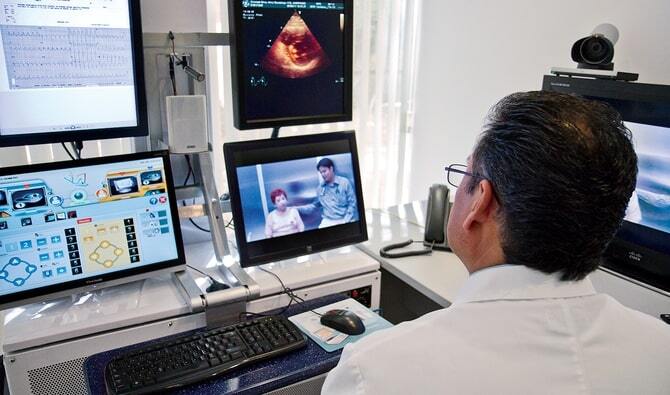
Riyadh’s healthcare sector strategy represents a comprehensive vision for establishing a world-class healthcare system that thinks local and acts global. By leveraging advanced technologies, enabling innovation, and prioritizing patient-centric care, the city is poised to not only meet the demands of its diverse population but also emerge as a leader in global healthcare excellence, driving economic growth and improving quality of life for all its residents.
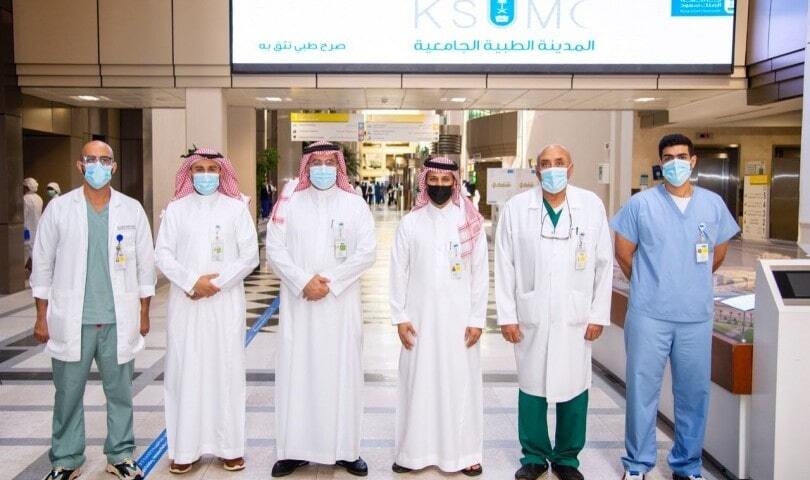
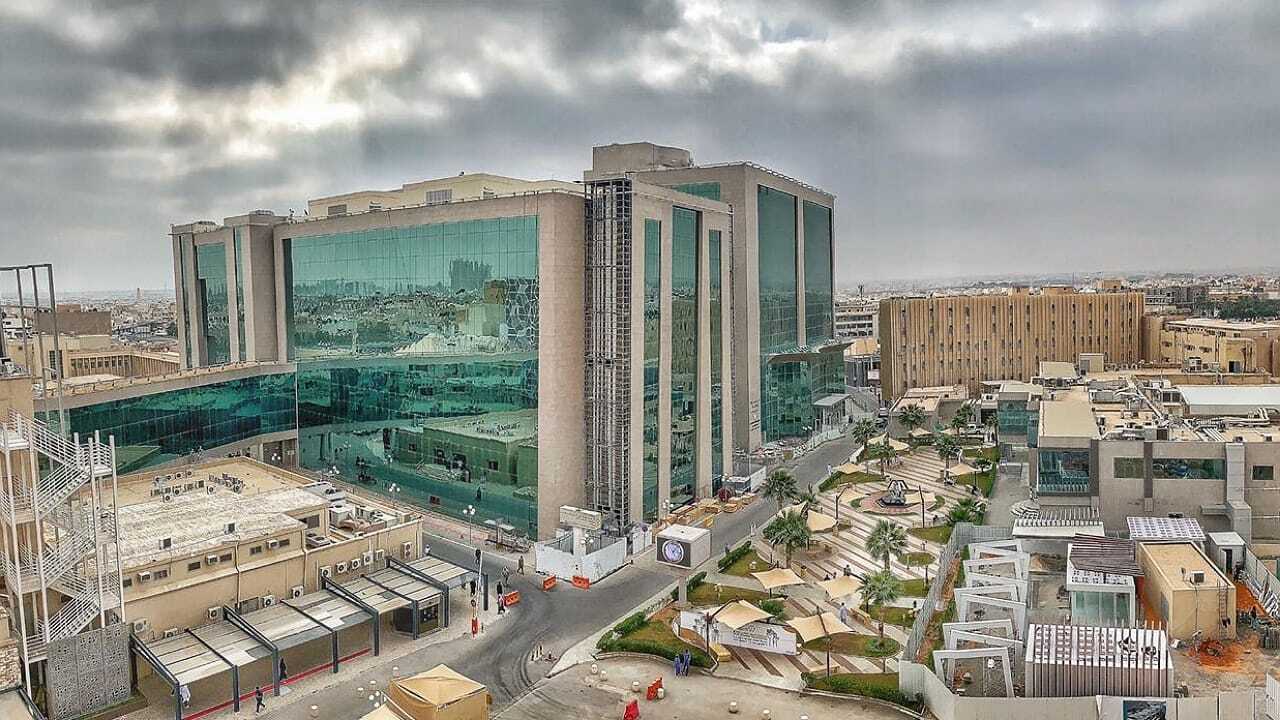
Healthcare is essential for a city to thrive. A robust healthcare sector not only provides critical services but also fosters a healthier workforce, attracts global talent, and enhances the city's appeal as a desirable place to live, work, and invest. Recent global events have underscored the crucial role of resilient healthcare systems in safeguarding economic stability and enhancing a city's global competitiveness in times of crisis.
King Salman Park
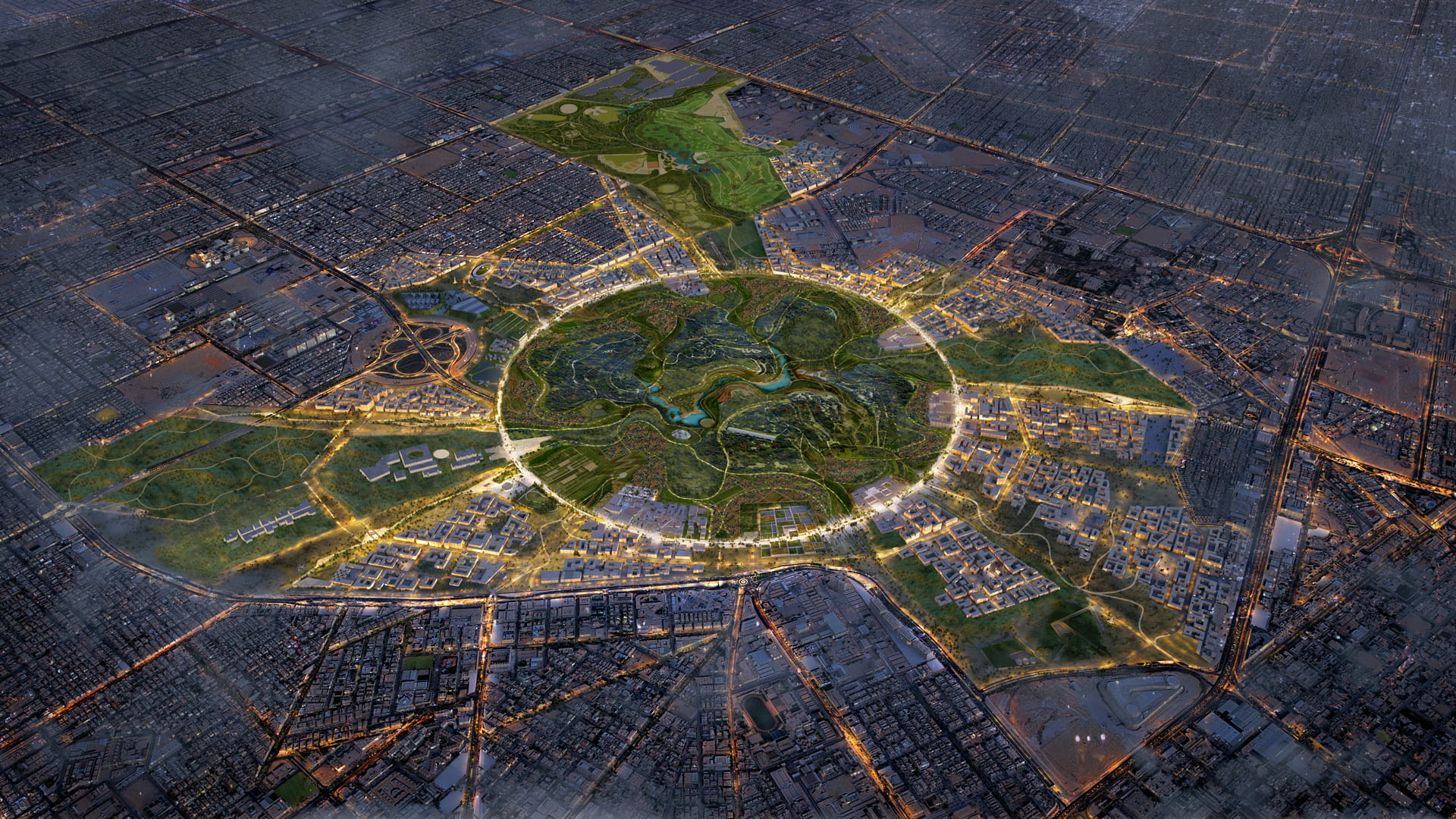
King Salman Park, set for completion in 2027, will be the world’s largest urban park, spanning over 16 square kilometers.
With vast green spaces, cultural venues like the Royal Arts Complex, and diverse recreational facilities, it will enhance Riyadh’s quality of life. The park features gardens, sports complexes, museums, and a 7.2 kilometer pedestrian walkway, which will further the Riyadh Strategy’s goals for urban growth and sustainability.
As a cornerstone of Riyadh’s development plans, King Salman Park aims to create a vibrant and healthy lifestyle for residents by offering diverse cultural, artistic, sports, and recreational opportunities. It also prioritizes environmental sustainability by significantly increasing green spaces and improving air quality, while contributing to the city’s climate resilience.
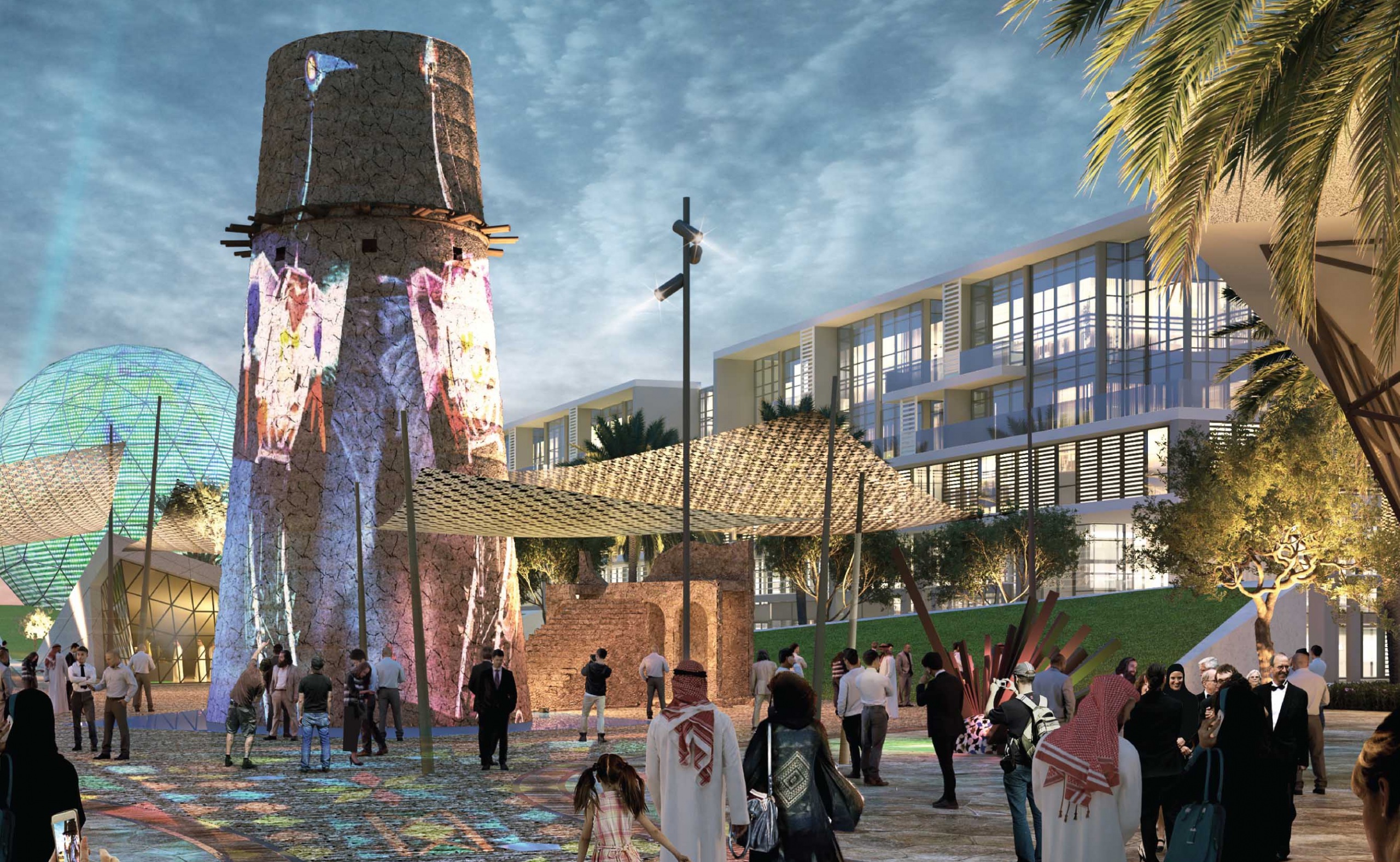
The park’s extensive green spaces will span over 11.6 square kilometers, featuring Islamic-style and vertical gardens, a maze garden, bird and butterfly sanctuaries, and themed gardens spread across 400,000 square meters. At its heart lies an 800,000-square-meter central valley adorned with art and water features. The cultural offerings will be anchored by the Royal Arts Complex, which includes a 2,500-seat national theater, five museums, an 8,000-seat outdoor theater, cinema halls, and four art academies. The park will also host museums dedicated to aviation, astronomy, science, plants, virtual reality, and architecture, along with public plazas for events and art installations.
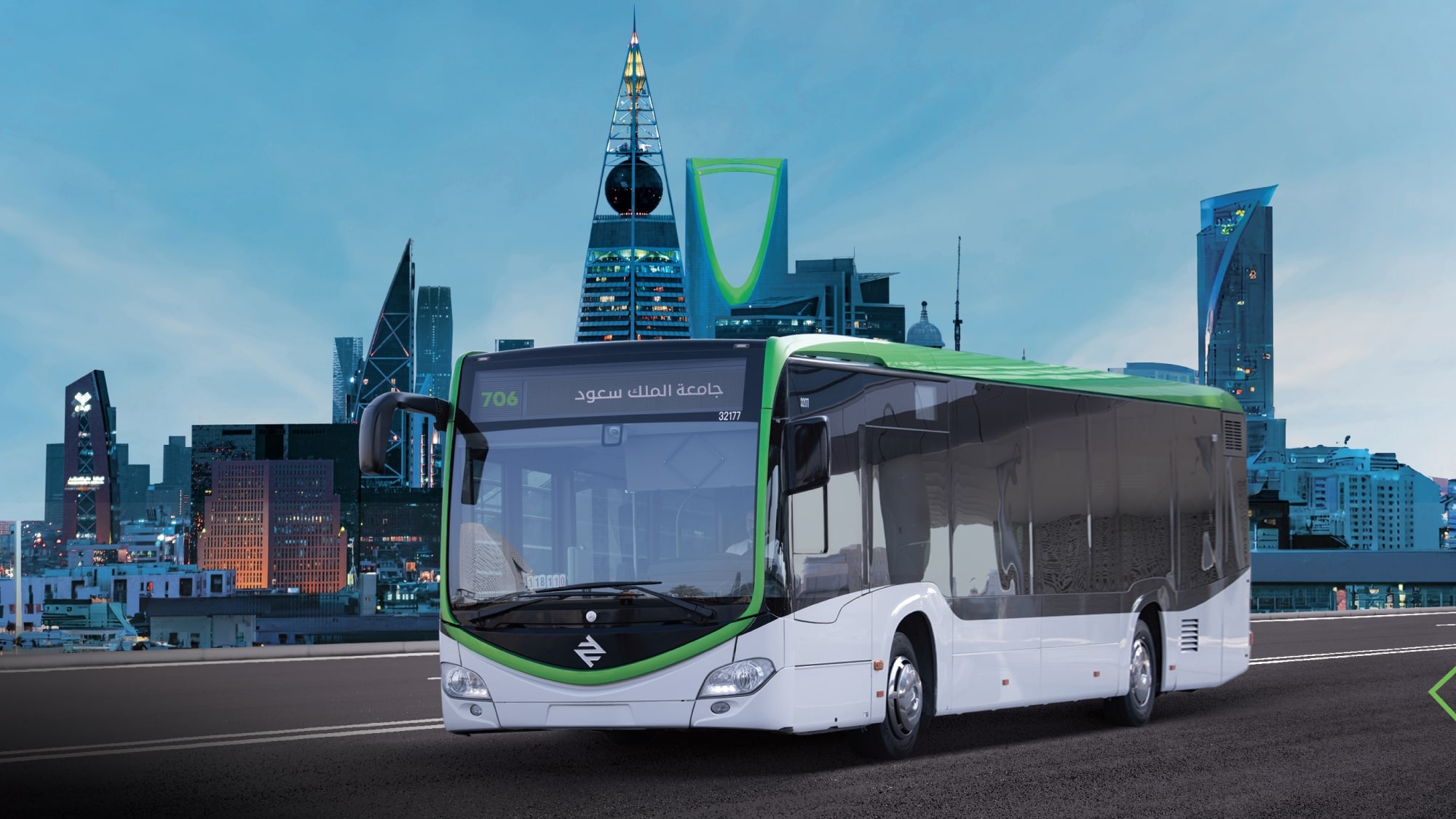
In addition to the environmental and cultural offerings, King Salman Park will provide state-of-the-art sports and entertainment facilities, including a Royal Golf Course, a sports complex, equestrian and skydiving centers, running and biking routes, and a virtual reality court. Families will enjoy a 100,000-square-meter amusement park, a 140,000-square-meter aquapark, and a family entertainment center, alongside a striking tower with a skybridge. Residential, hospitality, and business developments will include 12,000 housing units, 16 hotels with 2,300 rooms, and retail spaces covering 500,000 square meters. Essential public services such as mosques, police, healthcare, libraries, and educational centers will also be provided, complemented by ample parking facilities. Strategically located and seamlessly integrated with Riyadh Metro’s Green Line and the city’s bus network, the park ensures convenient accessibility for everyone.
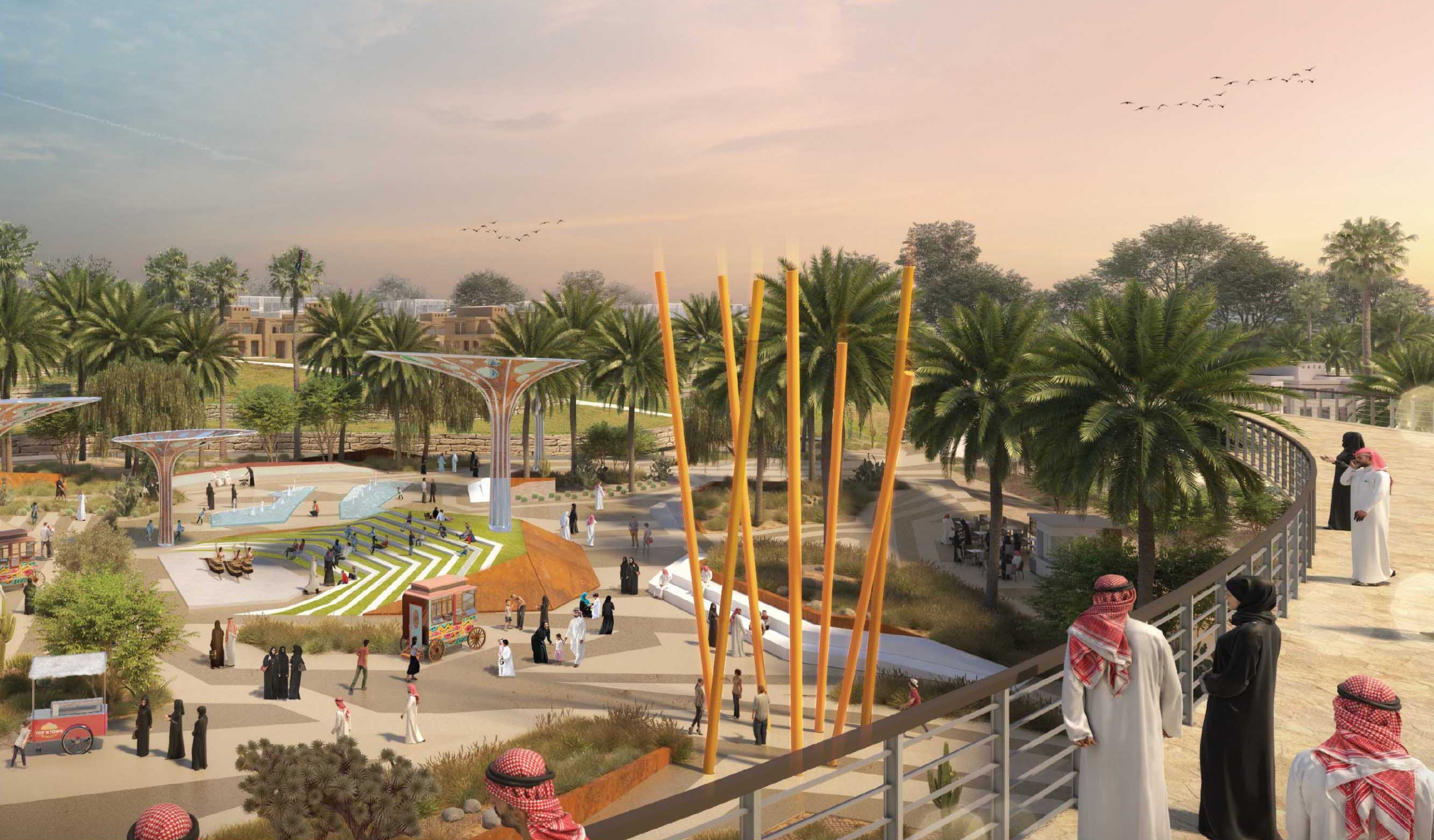
The King Salman Park is poised to redefine urban living in Riyadh, offering a dynamic community hub for culture, sports, and recreation while expanding green spaces and enhancing the city’s natural landscape. By attracting global visitors and investors with its iconic facilities and strategic connectivity, this project will boost tourism and investment while elevating Riyadh’s status as a world-class destination for urban living, arts, and recreation.
King Salman Park, set for completion in 2027, will be the world’s largest urban park, spanning over 16 km². With vast green spaces, cultural venues like the Royal Arts Complex, and diverse recreational facilities, it will enhance Riyadh’s quality of life. The park features gardens, sports complexes, museums, and a 7.2 km pedestrian walkway, which will further the Riyadh Strategy’s goals for urban growth and sustainability.
About Us
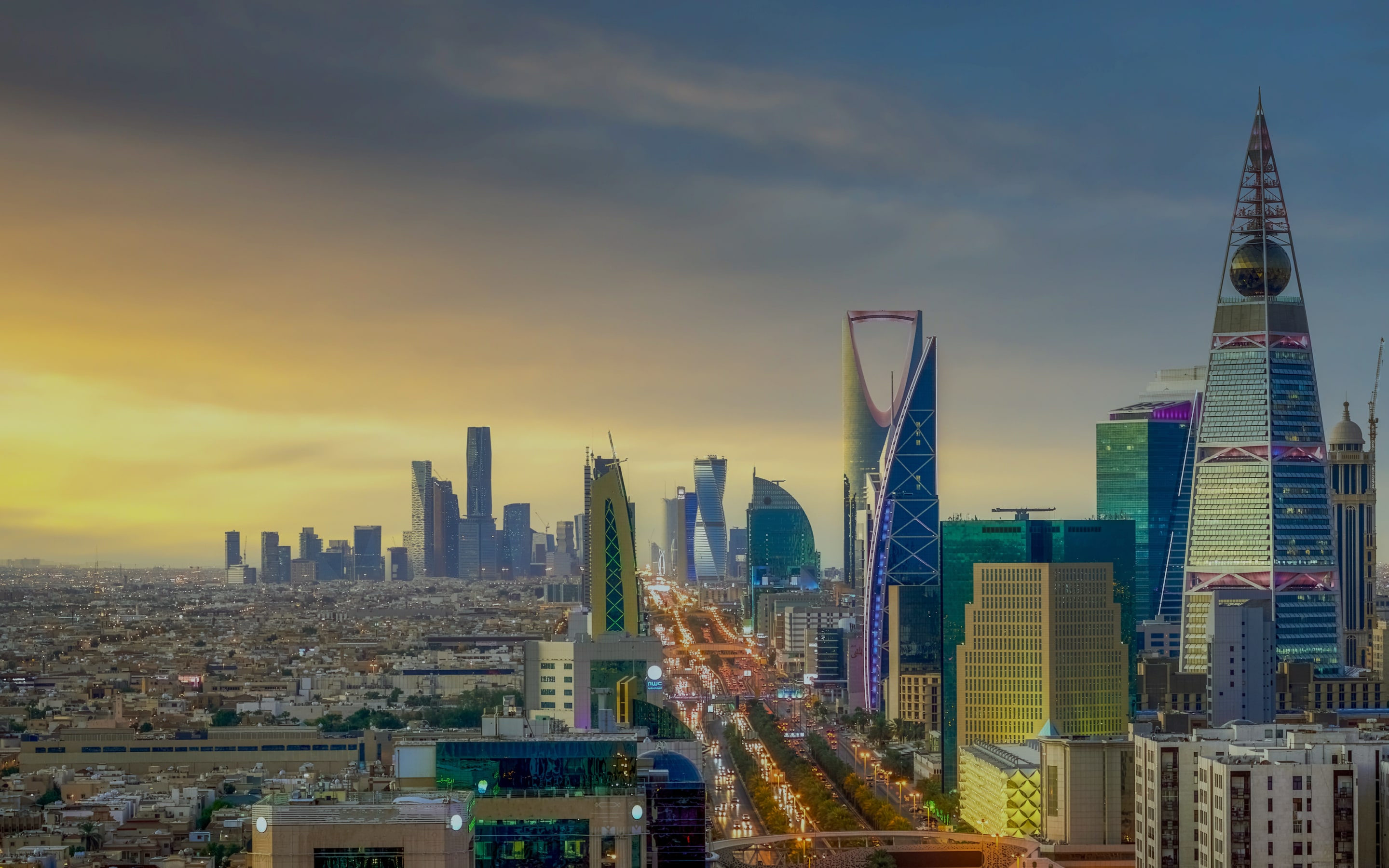
Established by an order from The Custodian of the Two Holy Mosques, His Majesty King Salman bin Abdulaziz Al Saud, the Royal Commission for Riyadh City serves as a unified command for all developments within the metropolis, serving the needs of Saudi citizens, residents, investors, and visitors.
Having served as Governor of Riyadh Province, I witnessed the city’s transformation from a desert town into a thriving metropolis. Today, with the Riyadh Strategy 2030, we stand on the threshold of an even greater era of prosperity.
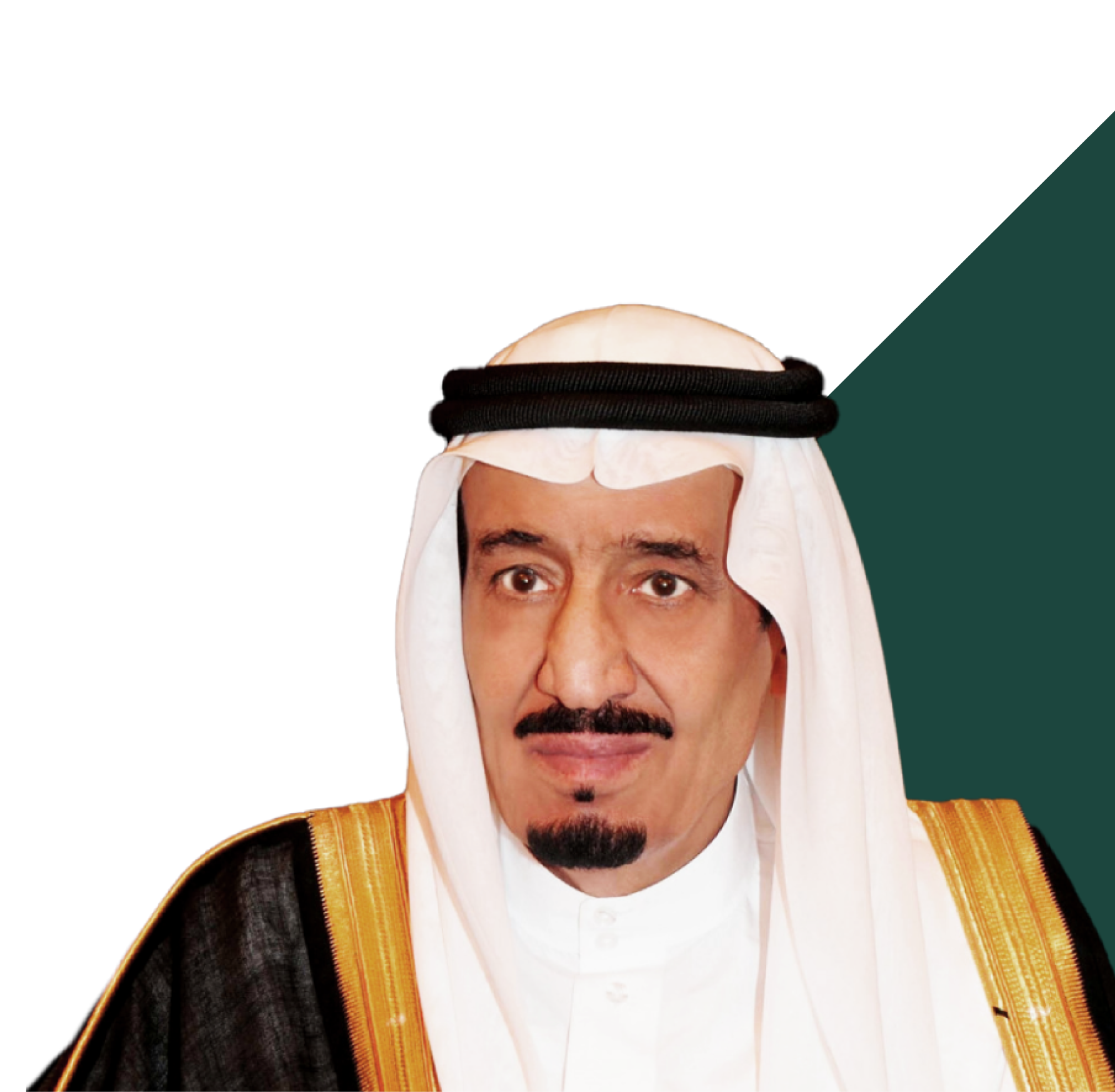
The Riyadh Strategy 2030 is a comprehensive blueprint for progress that will turn the bold aspirations of Saudi Arabia’s capital into reality, accelerating its evolution into one of the world’s most prosperous and liveable capitals.
The Riyadh Strategy 2030 is backed by combined investment from the government, Public Investment Fund and private sector. The comprehensive roadmap is made up of 33 separate plans that detail over 300 projects and 100 initiatives.
The Strategy is enhancing quality of life through public service reforms and new entertainments.
The Strategy is turning Riyadh into a talent magnet for local and international professionals.
The Strategy is accelerating Riyadh's reputation for investment, ease of doing business, and entrepreneurship.
The Strategy is transforming Riyadh into a global destination that combines ancient history with modern dynamism.
Riyadh is home to many of Saudi Arabia's transformative gigaprojects, including Diriyah, Qiddiya, and New Murabba.
Visitors
Experience a blend of heritage and modern entertainment set against a backdrop of world-class hospitality.
The Riyadh Strategy 2030 is a comprehensive blueprint for progress that will turn the bold aspirations of Saudi Arabia’s capital into reality, accelerating its evolution into one of the world’s most prosperous and liveable capitals. This means a rich cultural journey for visitors, from exploring historical sites to experiencing modern interpretations of Saudi heritage, alongside world-class entertainment, easy access via improved public transport, and a safe and welcoming environment.
From historic Diriyah Gate, a UNESCO site with Michelin-starred dining at Bujairi Terrace, to the futuristic entertainment destination of Qiddiya City, Riyadh offers diverse experiences for all.
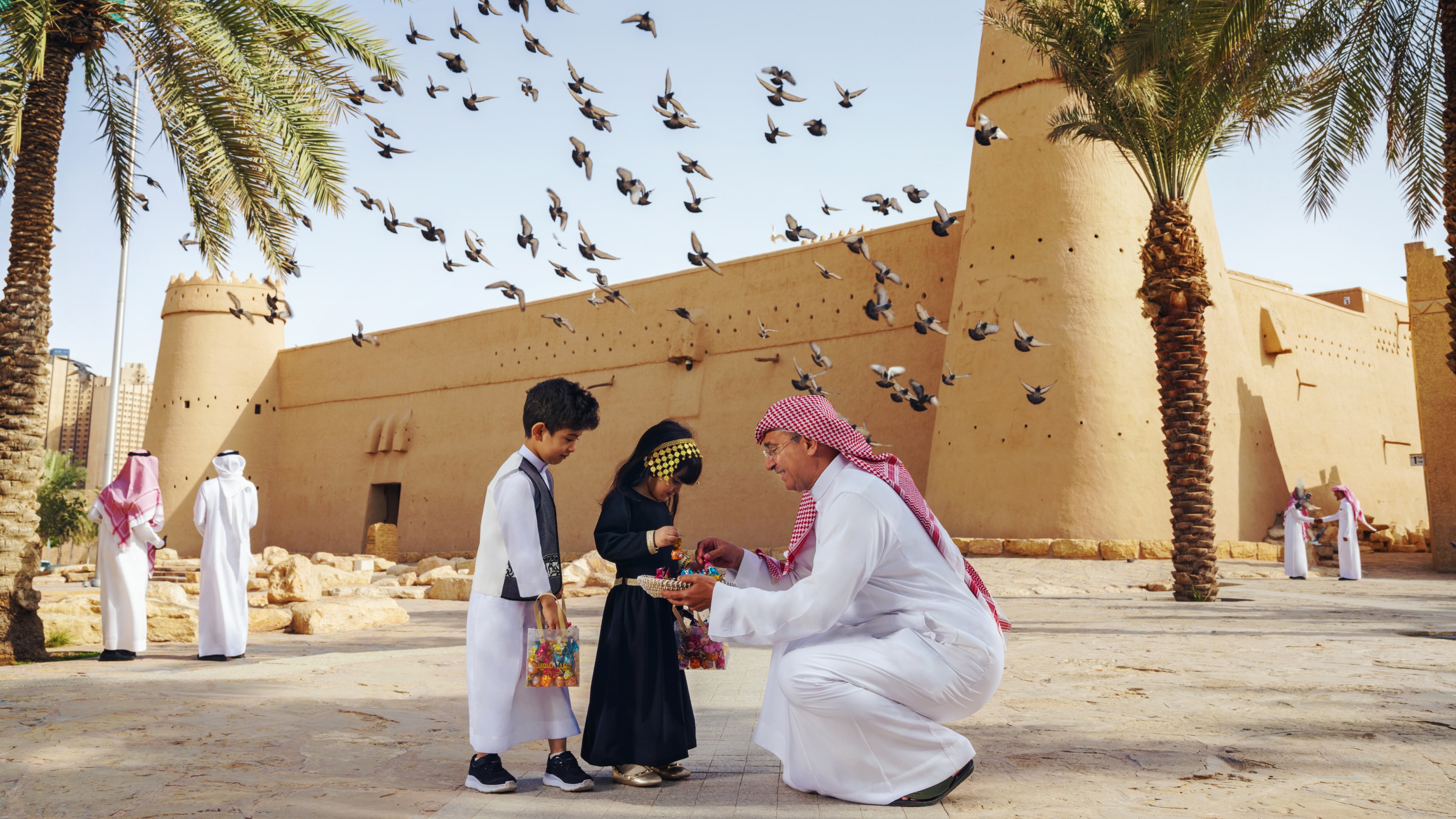
Historic fortress in the heart of Riyadh, stands as a testament to Saudi Arabia's unification, showcasing artefacts and stories of historical and cultural significance to the Kingdom.
Cultural complex housing multiple museums, including the National Museum of Saudi Arabia, offering insights into the nation's heritage and Islamic history.
A 120 km long valley running through Riyadh, offering natural landscapes and recreational areas for visitors to enjoy.
Iconic skyscraper featuring a sky bridge on the 99th floor, providing panoramic views of Riyadh
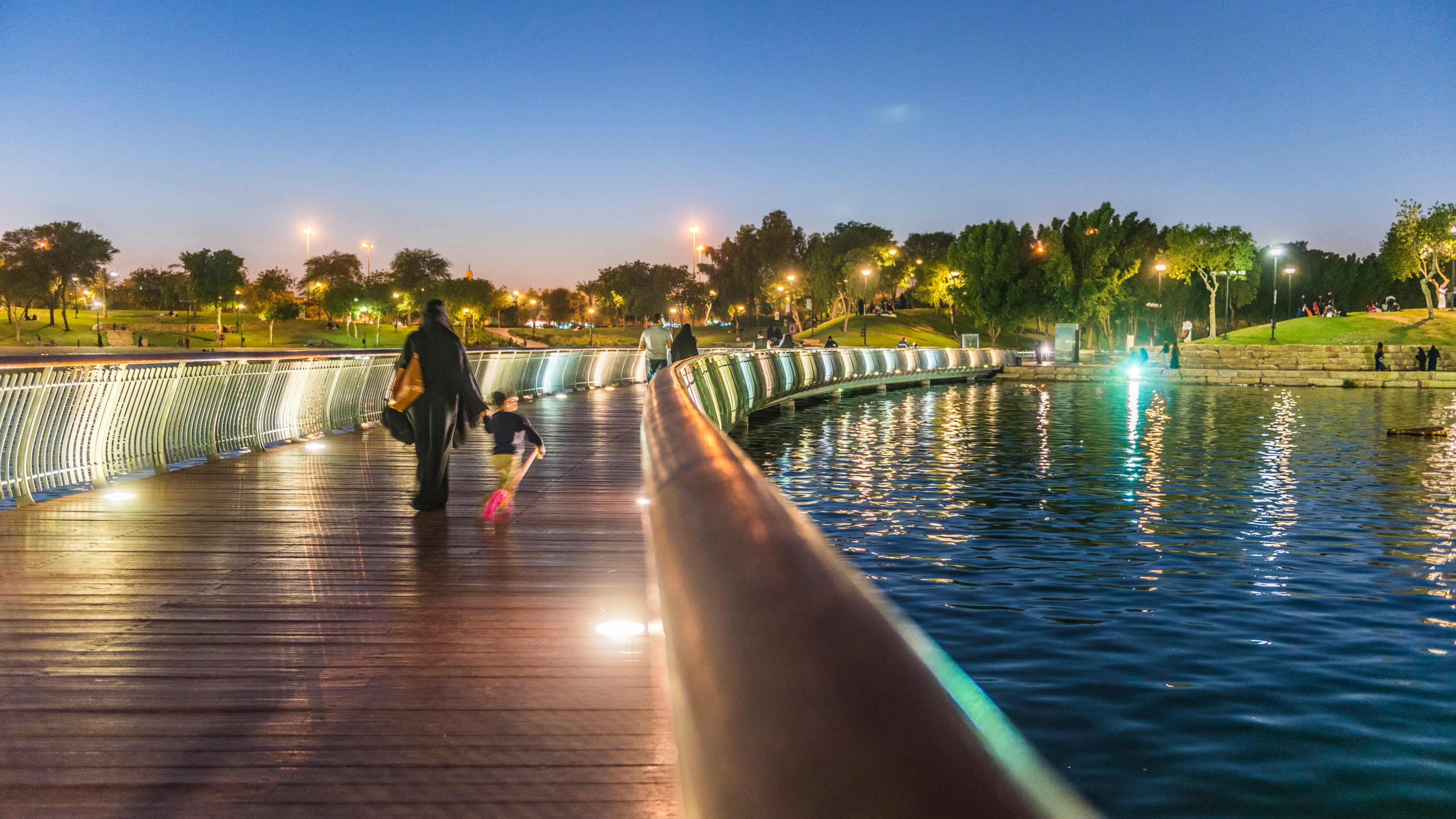
A sprawling green oasis in the heart of Riyadh, King Salman Park offers diverse recreational spaces, including gardens, walking trails, and cultural attractions, promoting a healthy and vibrant urban lifestyle.
A vast park showcasing the natural beauty of the region, King Abdulaziz Park provides a space for families and individuals to connect with nature through various activities and events.
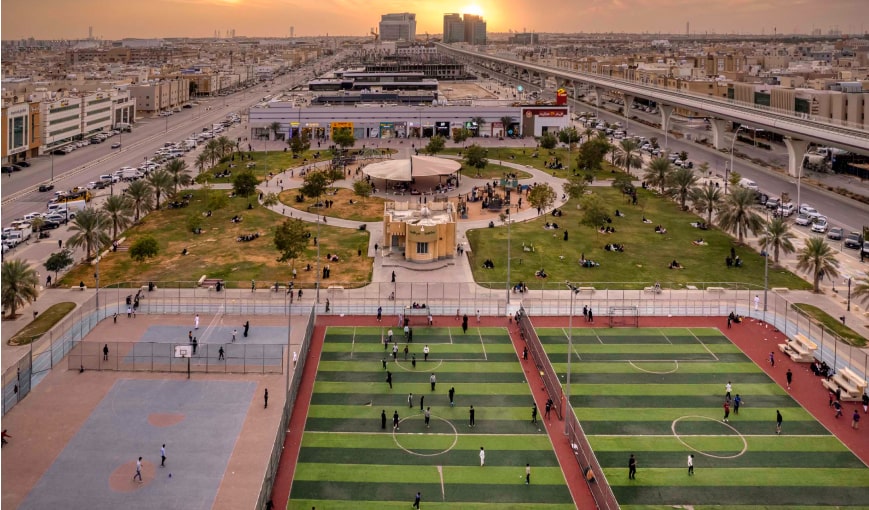
A dynamic urban development promoting sports and wellness, the Sports Boulevard features world-class facilities for various athletic activities, encouraging a healthy and active lifestyle for residents
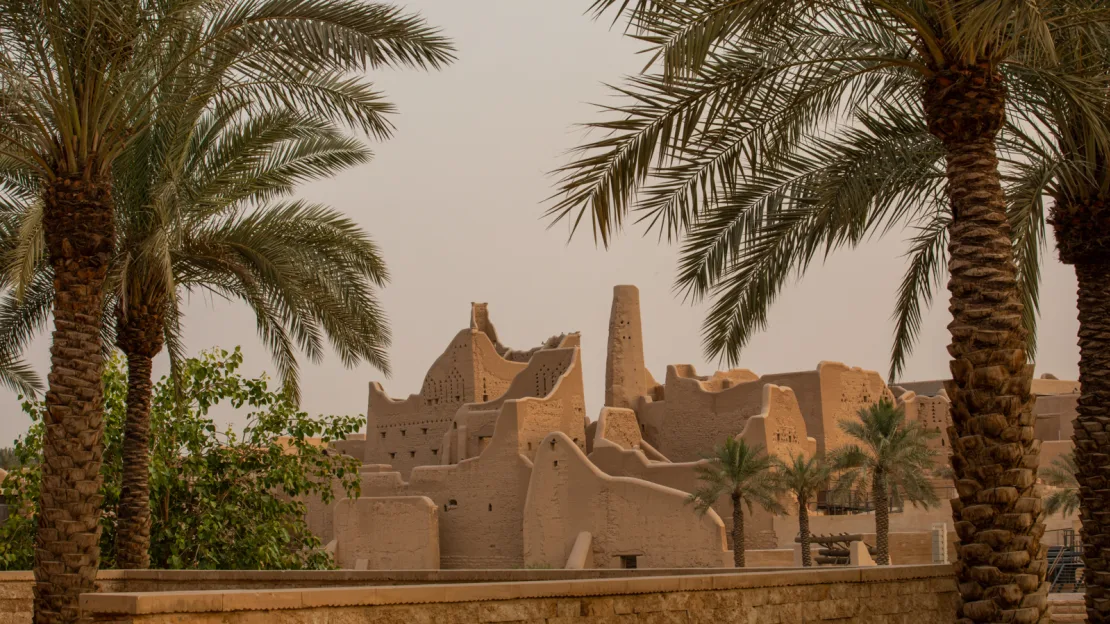
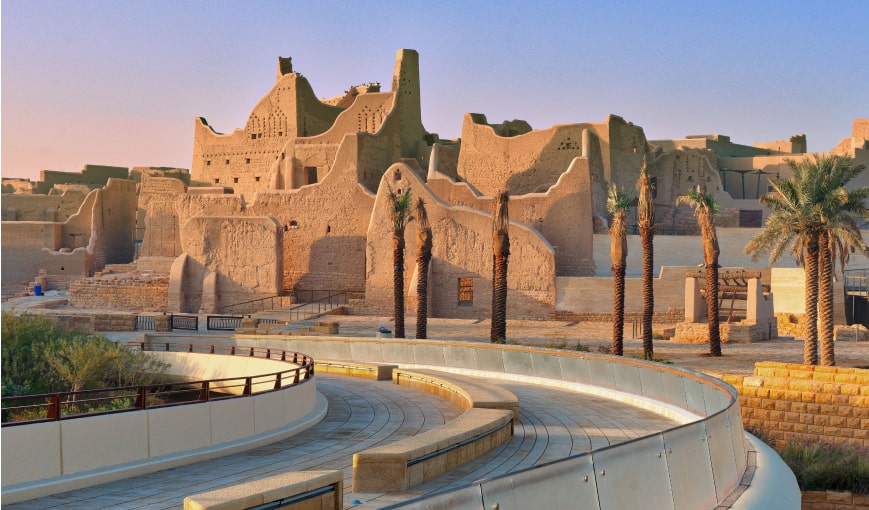
A UNESCO World Heritage Site, Al Turaif is the historic heart of Diriyah, showcasing the impressive architecture and cultural heritage of the first Saudi state.
Overlooking the stunning Al Turaif, Bujairi Terrace offers a blend of dining, retail, and leisure experiences, providing a modern complement to the historical significance of Diriyah.
A vibrant entertainment and retail destination, Boulevard City offers a diverse range of experiences, from shopping and dining to cultural events and performances, creating a lively urban atmosphere
An expansive entertainment zone, Boulevard World brings global attractions and experiences to Riyadh, offering a diverse array of entertainment options for all ages.
A traditional neighborhood reflecting the authentic character of Riyadh, Addoho offers a glimpse into the local culture and heritage, showcasing traditional architecture and community life.
Home to a diverse collection of animals from around the world, the Riyadh Zoo provides an educational and entertaining experience for visitors of all ages, fostering awareness about wildlife conservation.
To become a leading global city, Riyadh is significantly enhancing its connectivity and infrastructure. The new King Salman International Airport will handle 120 million passengers by 2030, featuring six runways.
Launched in 2025, Riyadh Air will connect the capital to 100+ destinations by 2030. The projects will establish Riyadh as a global tourism hub, offering seamless travel and boosting economic development.
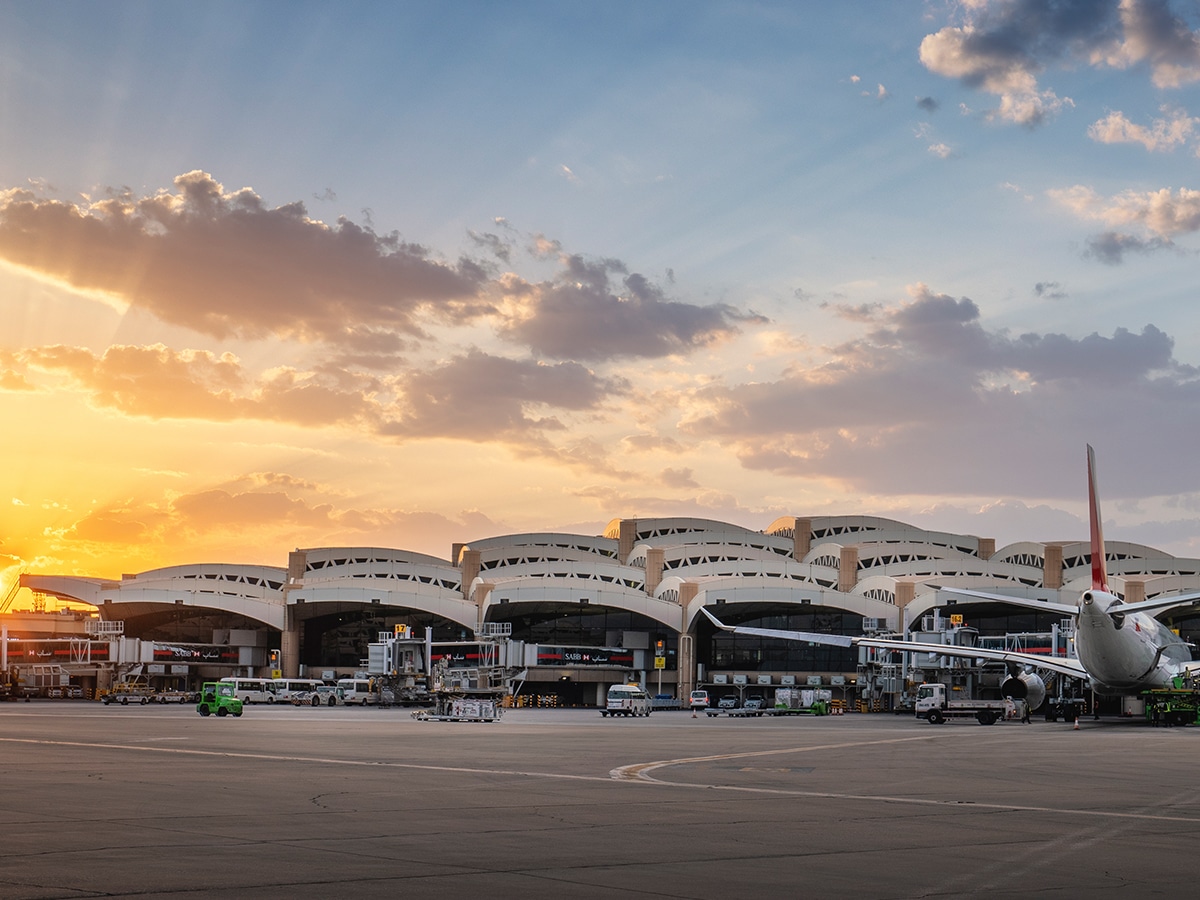
The Riyadh Strategy 2030 is committed to revolutionizing urban mobility, ensuring residents and businesses benefit from a connected, safe, and sustainable transport system.
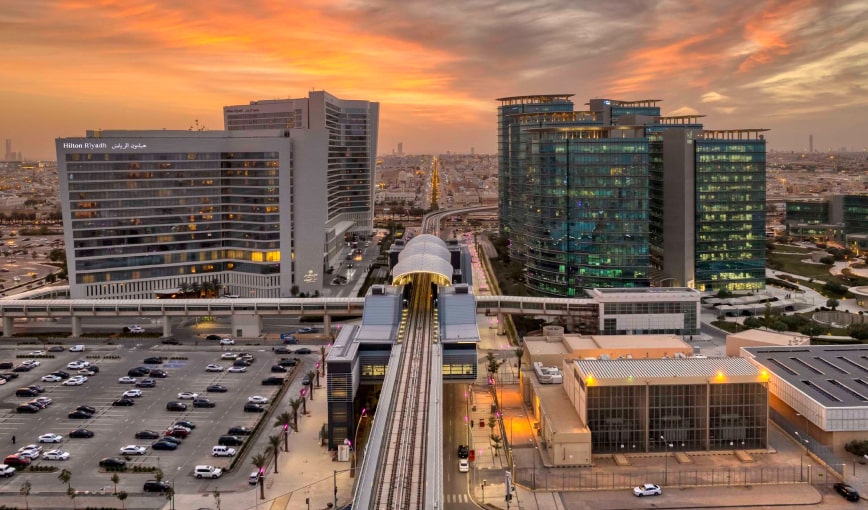
Fully operationalised in 2024, the Riyadh Metro is the backbone of the capital’s public transport network. With six lines, 85 stations, and spanning 176 kilometers, this state-of-the-art metro system is transforming urban mobility, reducing congestion, and promoting sustainability.
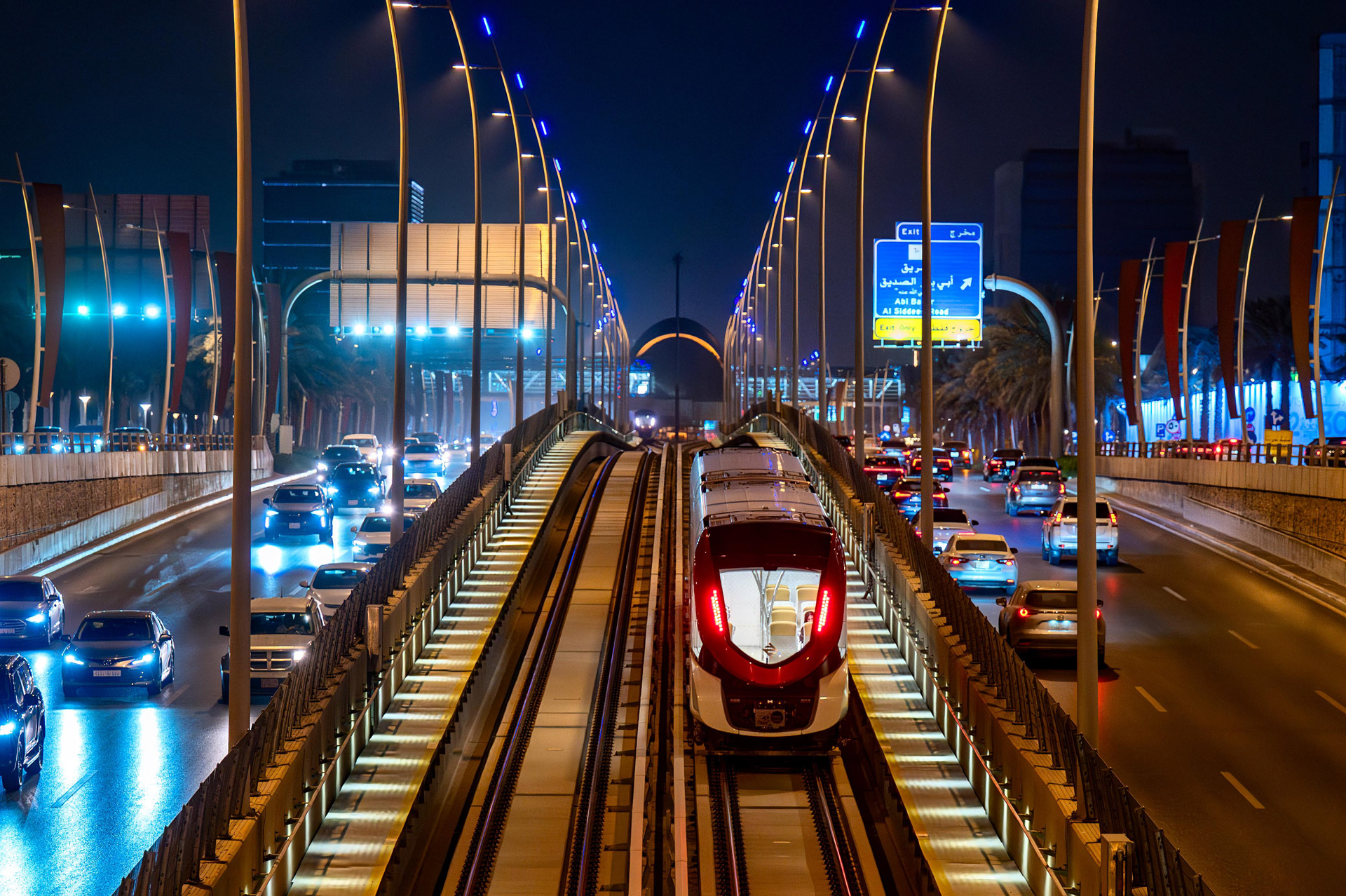
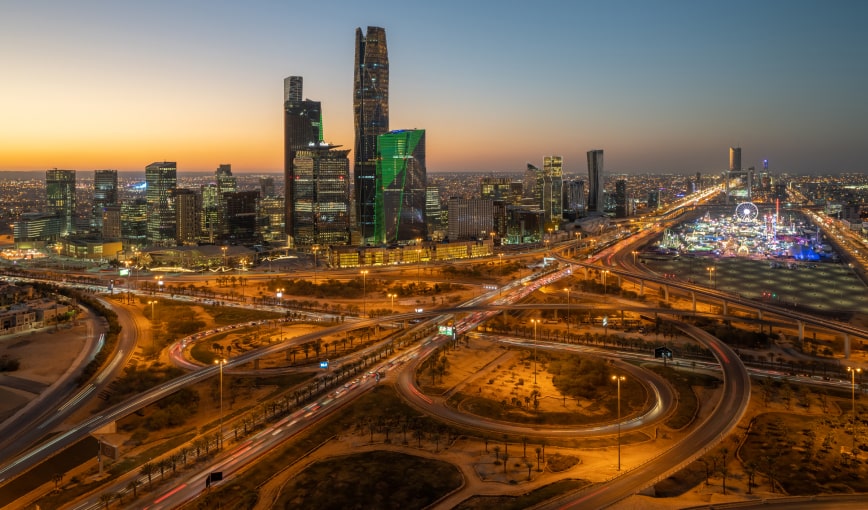
With over 50 routes, 800 buses, and 2,000 stations, the Riyadh bus network is set to expand, improving connectivity across the city. 30 new buses and an on-demand service will further enhance connectivity for those visiting the city.
Through partnerships with ride-hailing companies like Uber and Careem, ride-hailing will be integrated into the public transport system by providing visitors with a safe and reliable taxi for the first and last mile of their trip.
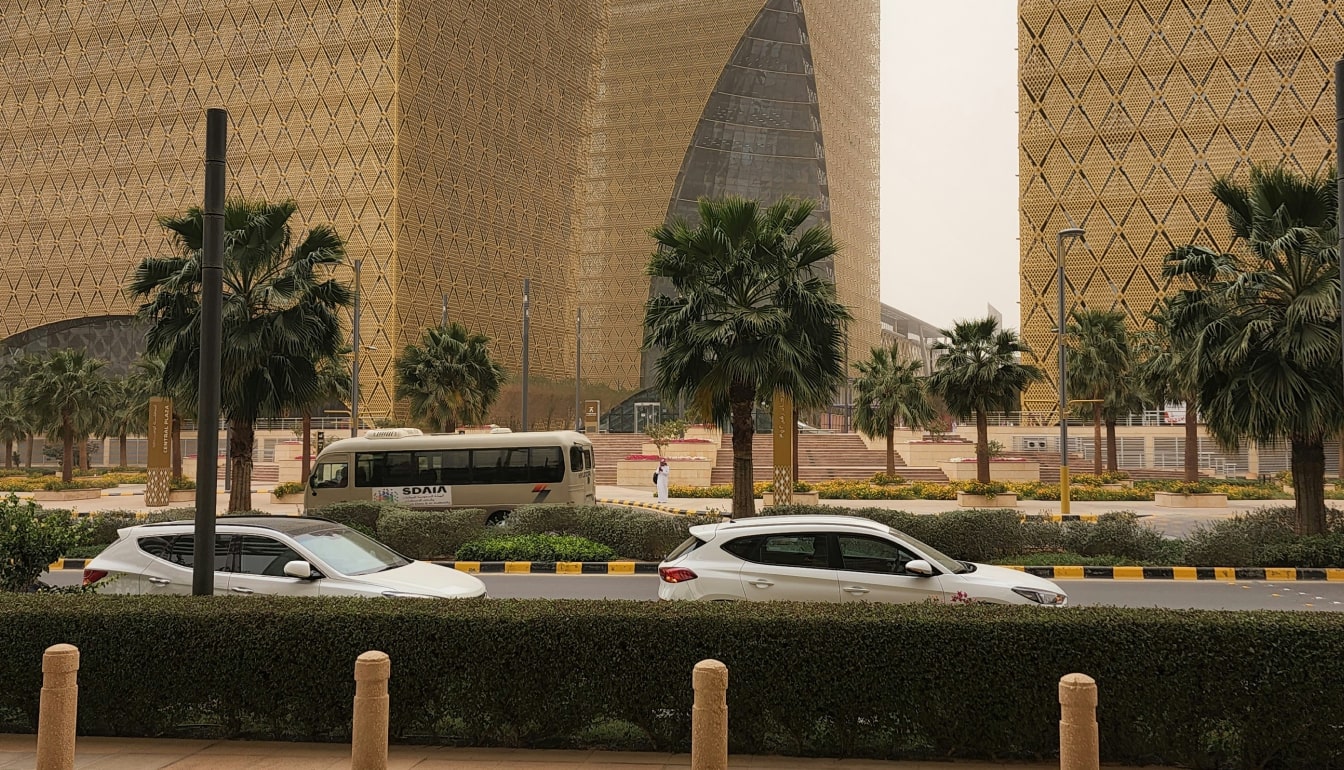
Explore ancient wonders like AlUla, vibrant cities like Riyadh and Jeddah, and stunning Red Sea coastlines. Experience rich culture, warm hospitality, and a rapidly transforming nation, where timeless heritage meets modern ambition.
Navigate the city with ease. The newly launched Riyadh Metro offers a convenient and affordable way to explore the city.
Travel around Riyadh by road using the city's well connected bus network and globally recognised ride sharing platforms.
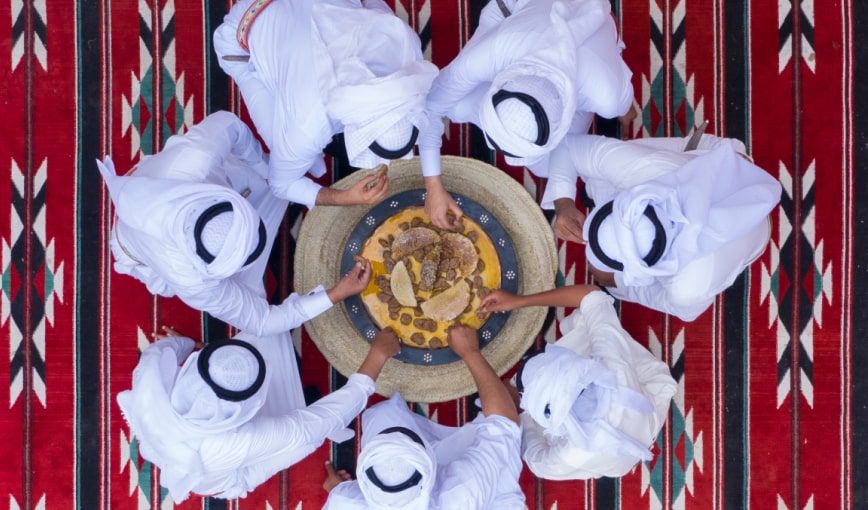
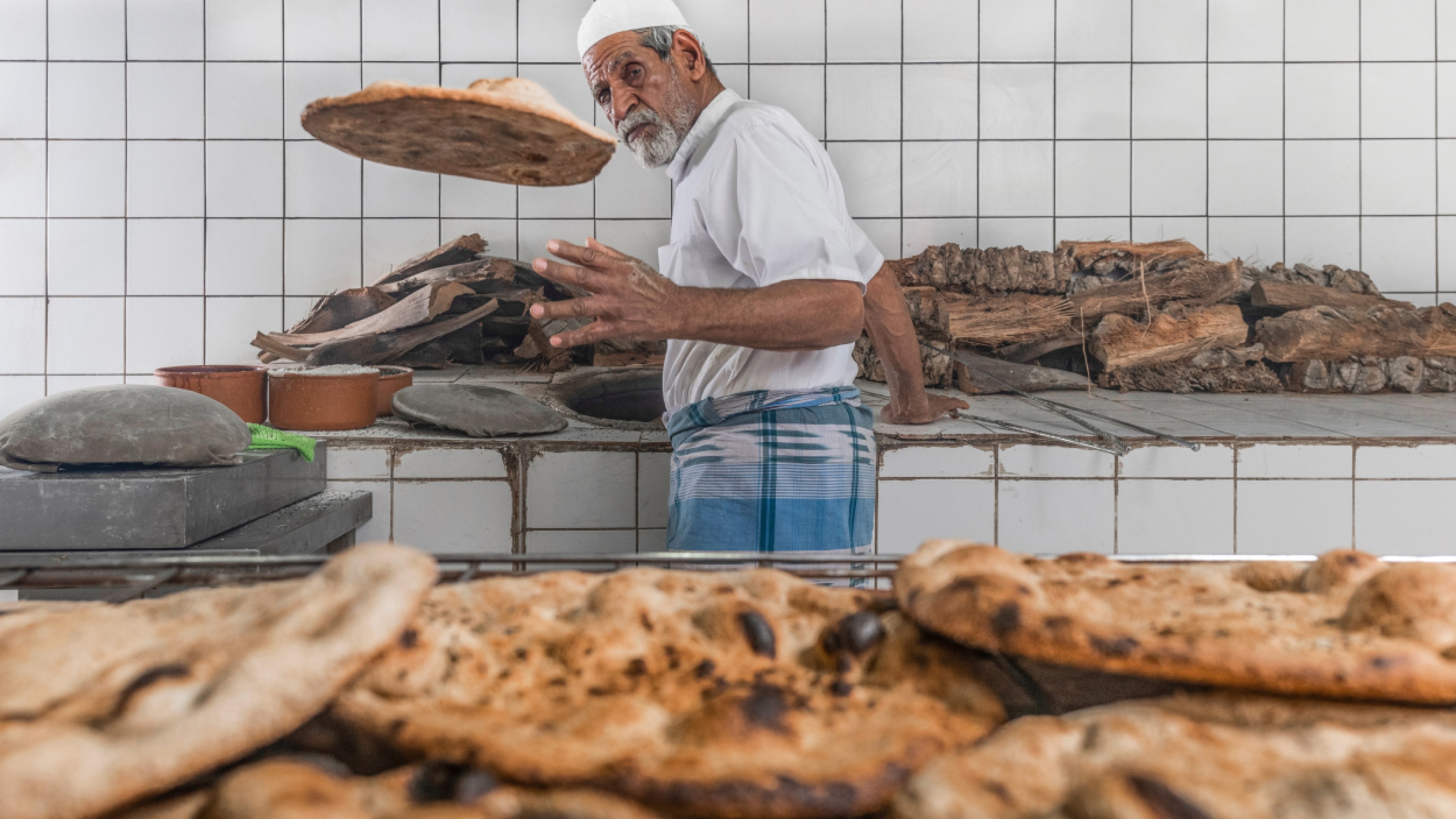
Savor Riyadh's diverse flavors. From traditional Saudi cuisine to world famous international restaurants, Riyadh is a hub gastronomic adventures.
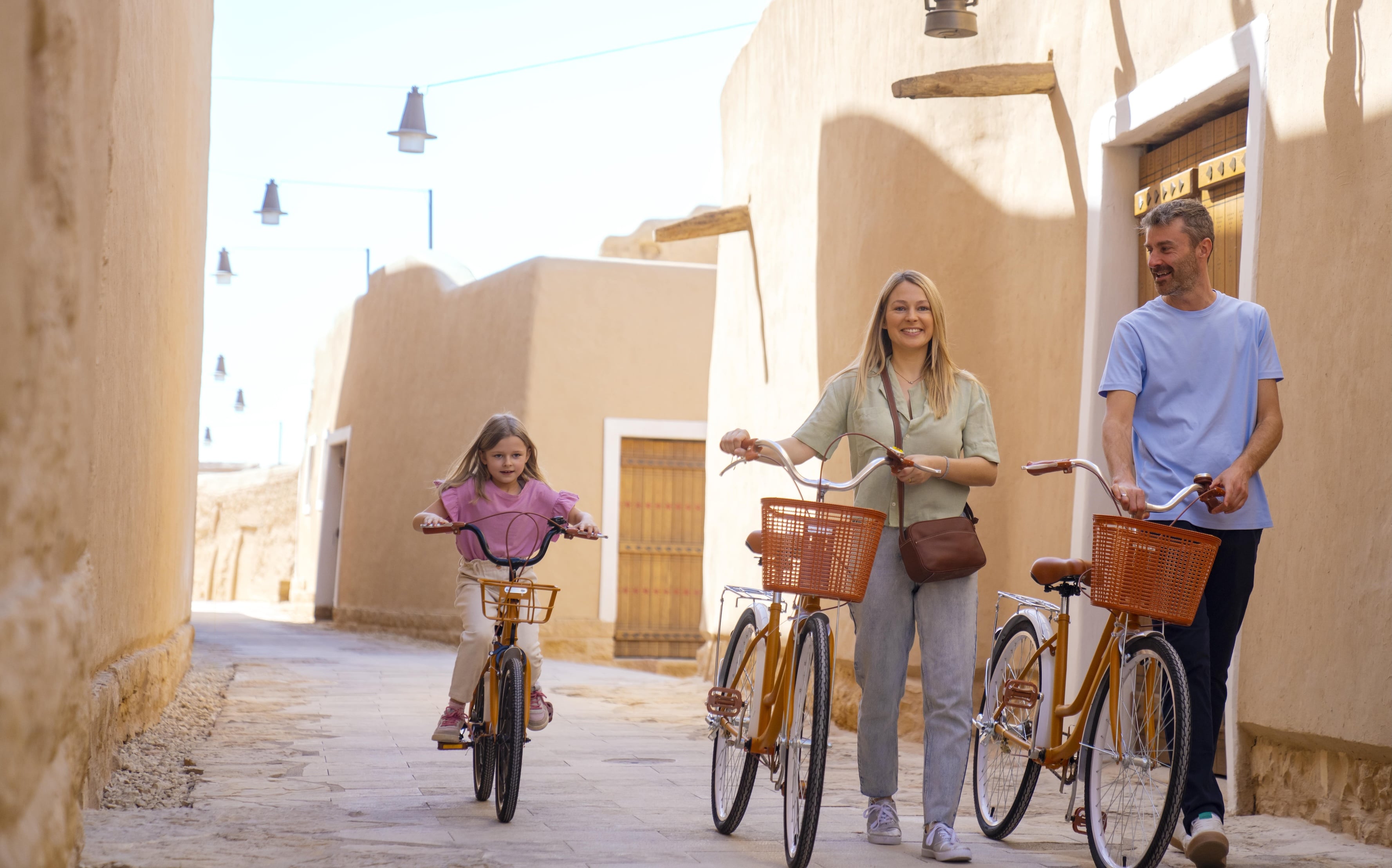
Step back in time. Explore the historic Diriyah Gate, a UNESCO site showcasing Saudi Arabia's rich heritage and adobe architecture.
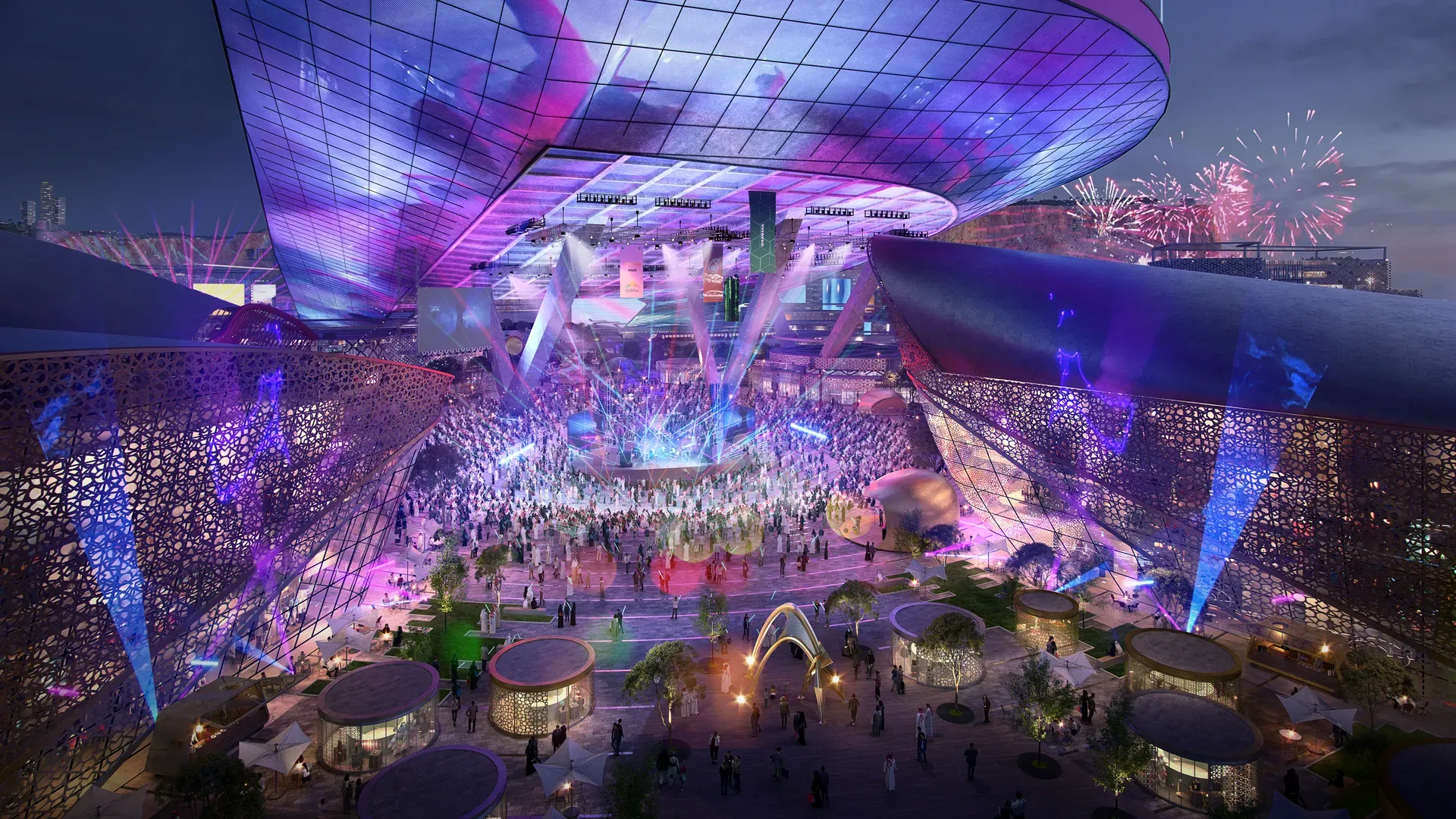
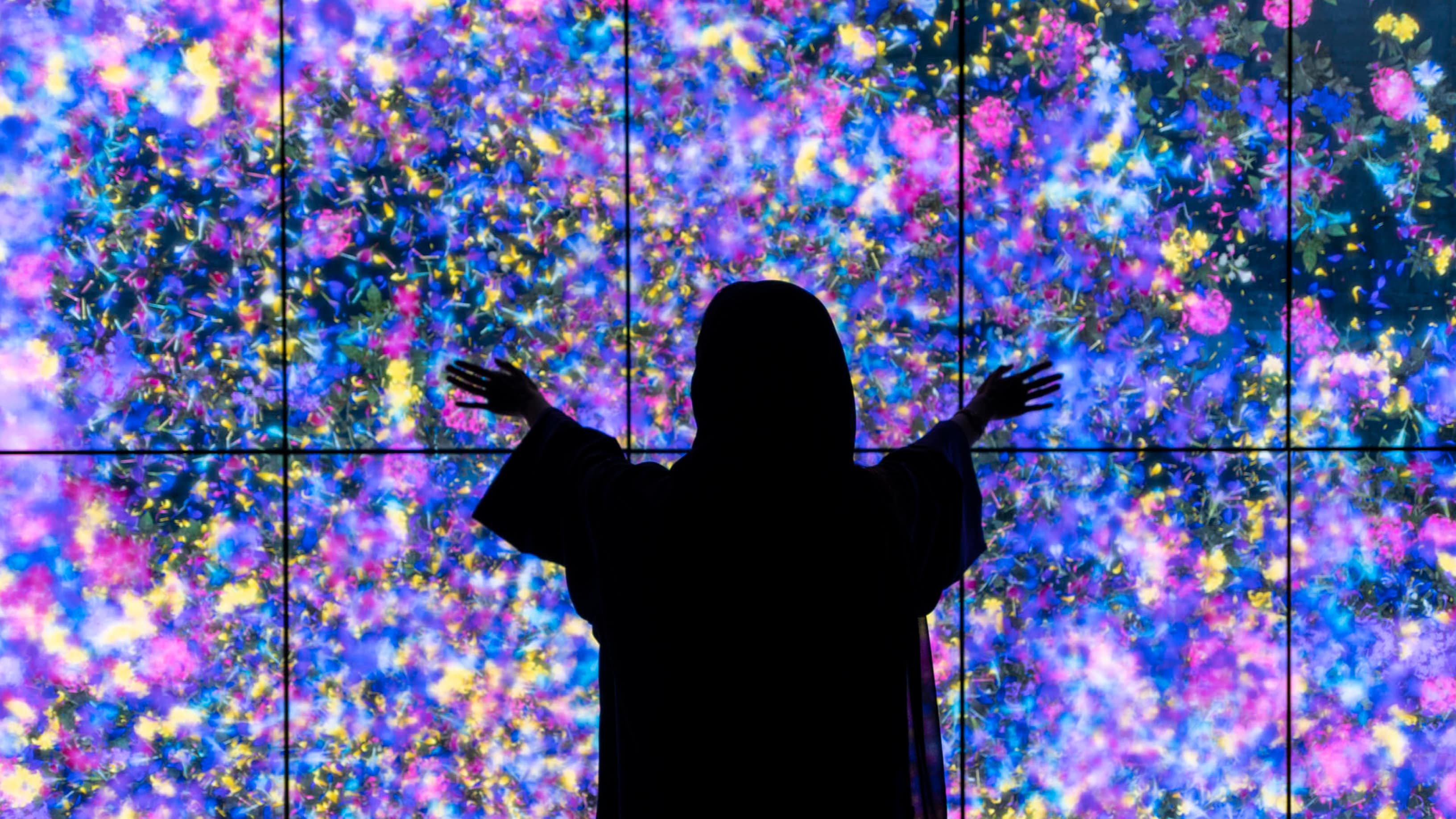
Qiddiya City will offer world-class entertainment for all ages, from thrilling theme parks and sports venues to enriching cultural experiences.
From football and boxing to tennis and golf, Riyadh boasts a year round calendar of the most high-octane global sporting events, featuring the world's biggest stars.
The city has become a hub for major international events, with the flagship Riyadh Season attracting millions of visitors and the capital set to host Expo 2030 and the 2034 FIFA World Cup.
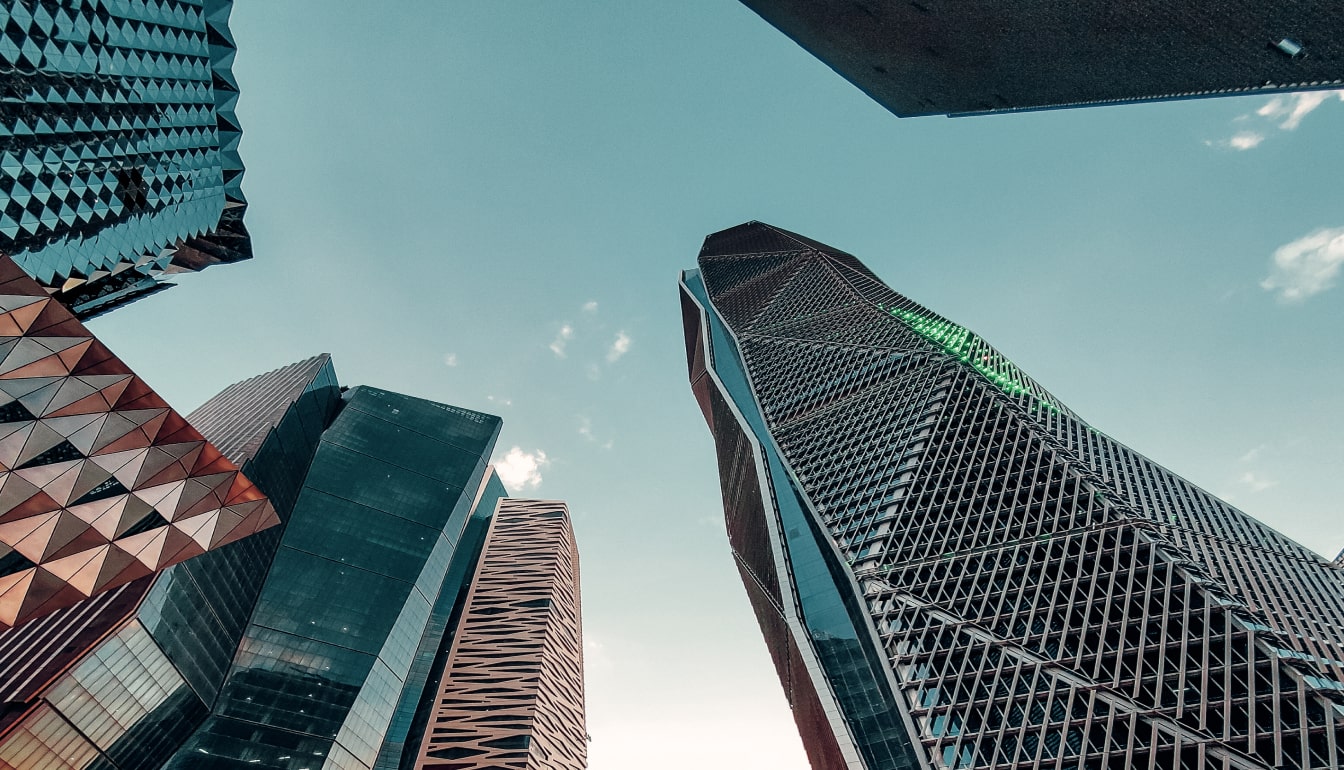
Discover Riyadh, a blend of heritage and modern entertainments set against a backdrop of world-class hospitality.
Riyadh offers a plethora of opportunities for young talent and entrepreneurs from across the globe.
Riyadh has become a leading hub for investment, igniting new sectors and introducing a business-friendly investment and regulatory environment.
Riyadh offers a great quality of life for its citizens and residents, supported by modern public services and green spaces.